
Er zijn vele variaties van passages van Lorem Ipsum beschikbaar maar het merendeel heeft te lijden gehad van wijzigingen in een of andere vorm, door ingevoegde humor of willekeurig gekozen woorden die nog niet half geloofwaardig ogen.
Als u een passage uit Lorum Ipsum gaat gebruiken dient u zich ervan te verzekeren dat er niets beschamends midden in de tekst verborgen zit. Alle Lorum Ipsum generators op Internet hebben de eigenschap voorge definieerde stukken te herhalen waar nodig zodat dit de eerste echte generator is op internet.
As an IT Licensing Compliance Specialist, understanding the nuances of various software utilities is key to maintaining compliance and optimizing your organization’s digital assets. One crucial set of utilities that often comes into play is kms tools. These tools are essential for managing software activation processes across large networks, particularly in environments where Microsoft products like Windows and MS Office are widely used. With the widespread adoption of digital technologies, ensuring that your organization remains compliant with licensing agreements is crucial to avoid costly penalties and to optimize operational efficiency.
KMS, or Key Management Service, tools are designed to streamline the activation of Microsoft software products. By leveraging these tools, IT departments can automate the activation process, reducing the need for manual intervention and minimizing the risk of human error. This makes kms tools an invaluable resource for ensuring compliance with software licensing agreements. The automation provided by kms tools not only enhances accuracy but also frees up valuable time for IT personnel, allowing them to focus on other critical tasks.
The primary function of kms tools is to facilitate kms activation. This involves activating license keys on local network servers rather than requiring individual product keys for each device. Such automation is not only efficient but also ensures that every device within the network complies with licensing terms. By centralizing activation processes, organizations can maintain a cohesive and organized approach to software management, preventing any lapses in compliance that could arise from disparate systems handling their activations independently.
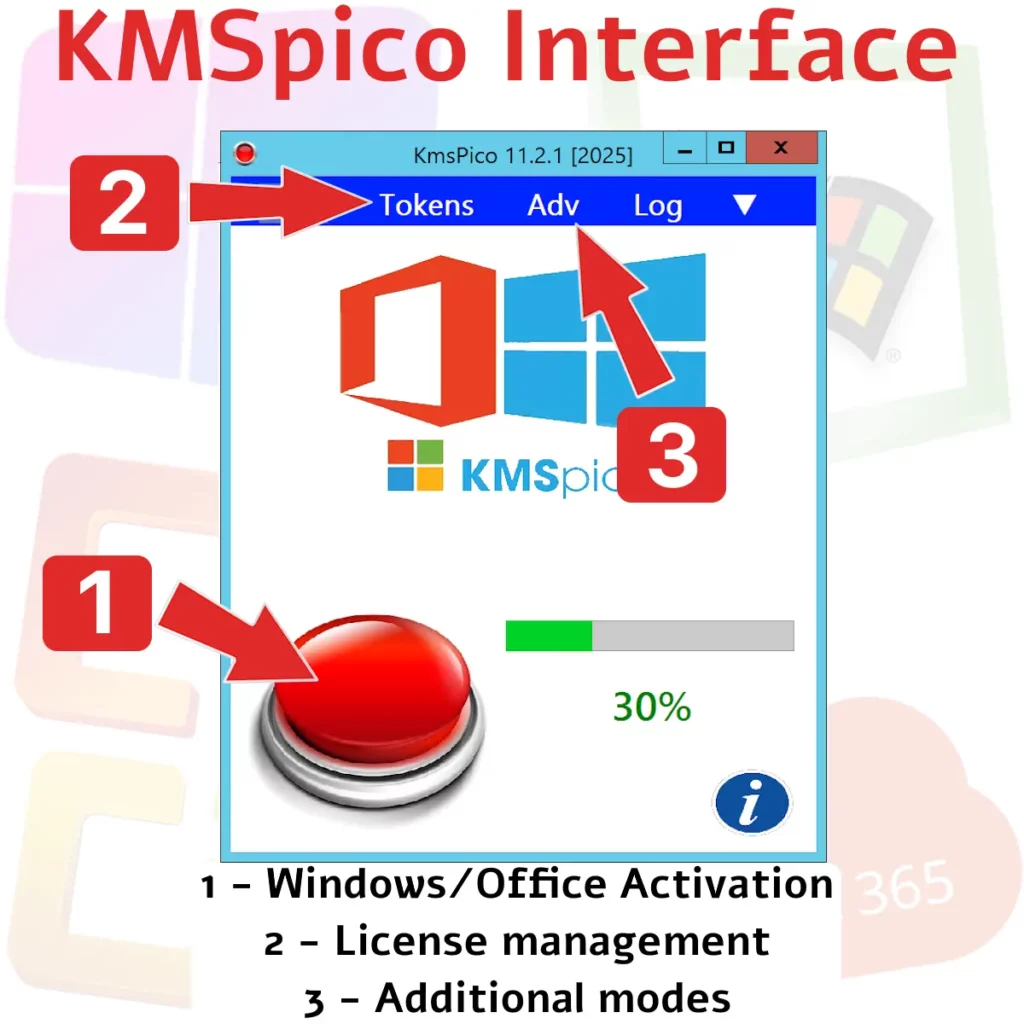
For practical application, consider a scenario where an enterprise uses kmspico windows 10 activator. This particular tool allows seamless activation of Windows 10 across numerous machines without requiring separate product keys. Additionally, it supports ms office activator processes, making it versatile across different software needs. In environments where multiple versions and configurations coexist, having a reliable tool like kmspico ensures uniformity in activation procedures.
Commands like DISM (Deployment Image Servicing and Management) can be pivotal when working with kms tools. DISM allows administrators to manage Windows images for deployment purposes and can integrate with kms solutions to ensure that a clean image is ready for activation as soon as it’s deployed on a new machine. This integration not only simplifies deployment but also guarantees that all activated systems meet organizational standards from the outset.
Despite their advantages, it’s vital for compliance managers to be aware of potential pitfalls associated with kms activator usage. Improper configuration can lead to non-compliance with licensing terms or accidental deactivation of crucial systems. Therefore, regular audits and strict adherence to best practices are recommended. Ensuring that all configurations adhere strictly to vendor guidelines is paramount in mitigating risks associated with non-compliance.
Kms tools enhance digital licensing by simplifying management over a network. They enable centralized control over product activation, ensuring all devices meet necessary compliance standards without manual oversight. This digital approach aligns well with modern organizational needs for agility and responsiveness in IT operations. As businesses evolve towards more flexible work arrangements, having such centralized control becomes even more critical in maintaining consistency across varied locations.
When implementing kms tools, technical specifications play a critical role. For example, running these utilities may require a Virtual Machine (VM) setup with at least 2 vCPU and 4 GB RAM. Additionally, maintaining regular snapshots is advisable to quickly rollback in case any issues arise during activation processes. These snapshots should ideally be timed before large-scale deployments or updates. Moreover, understanding network bandwidth requirements ensures that activation requests do not impede other critical operations within the network infrastructure.
Selecting an appropriate activation tool depends largely on your organization’s specific needs. Popular options include windows 10 activator free download versions, which offer varying levels of automation and integration capabilities. Whichever tool you choose must align with both your current infrastructure and long-term IT strategy. Evaluating potential scalability issues and future-proofing your choice against upcoming technological changes are essential components in the decision-making process.
The use of kms tools significantly impacts overall license management by centralizing control over multiple licenses across numerous devices. This centralization not only aids in reducing administrative overhead but also enhances transparency within licensing audits – ensuring that all software used remains compliant with vendor agreements. Streamlined reporting features offered by many kms solutions further simplify audit preparation by providing detailed logs and summaries tailored specifically for compliance verification purposes.
Kms tools serve as a cornerstone for efficient license management and compliance assurance within enterprise environments. By enabling streamlined activation processes, they reduce costs while boosting operational proficiency across large-scale IT landscapes. As such, they represent a strategic asset that every compliance manager should consider integrating into their toolkit for robust digital asset management. In an era where digital transformation continues unabatedly reshaping business landscapes worldwide, leveraging advanced solutions like kms tools offers not just competitive advantage but also peace of mind knowing that all software assets remain consistently compliant amid ever-changing regulatory frameworks.